AI Cyber Defense for Advanced Threat Detection and Security
Protect digital systems with AI-powered cybersecurity solutions that detect threats early and prevent attacks.
Protect digital systems with AI-powered cybersecurity solutions that detect threats early and prevent attacks.
Cyber threats are evolving faster than traditional security systems can respond effectively today. Organizations are now turning to AI cyber security tools to detect, analyze, and neutralize threats before they cause significant damage. This shift marks a transition from reactive defense to proactive protection strategies.
We are seeing ai cyber security tools integrate advanced machine learning algorithms that continuously monitor systems for unusual behavior. These tools identify anomalies, flag potential risks, and initiate automated responses in real time, significantly reducing response times.
The importance of intelligent cyber defense lies in its adaptability. As threats become more sophisticated, AI systems evolve alongside them, ensuring that security measures remain effective and resilient in an increasingly complex digital environment.
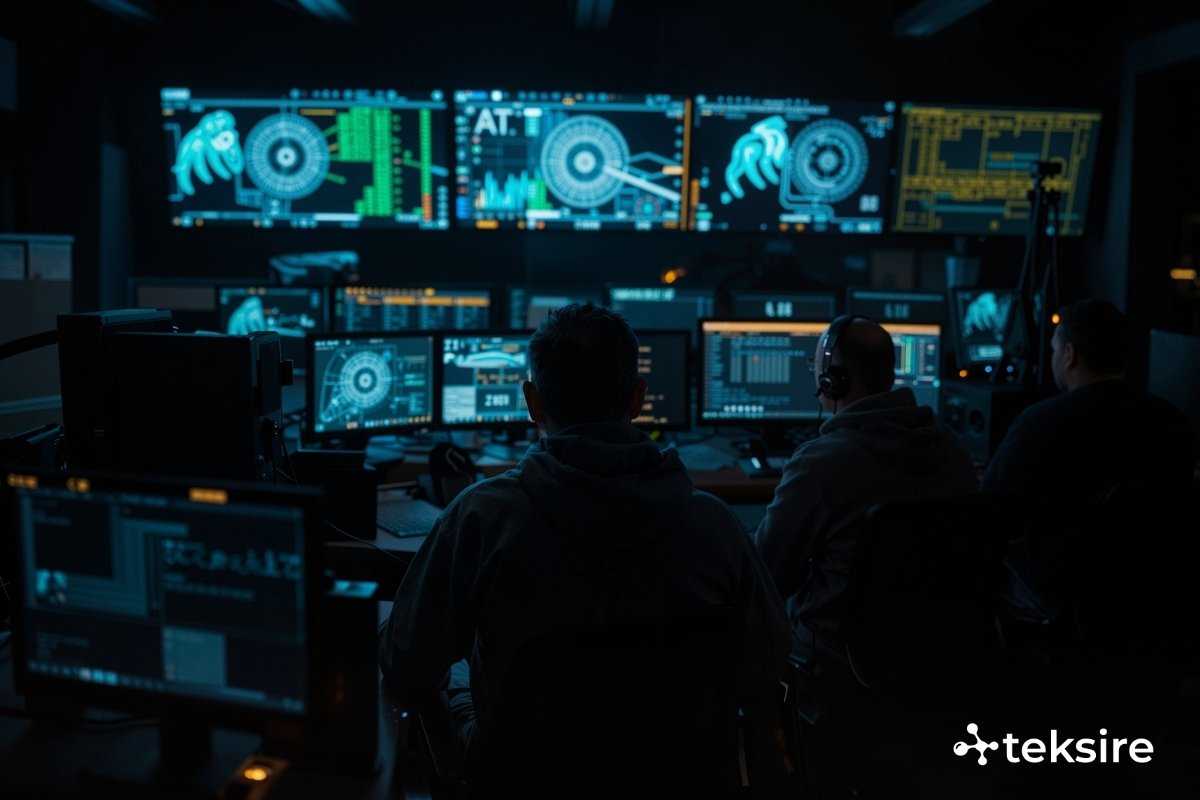
Threat detection has shifted from signature-based methods to behavior-driven analysis powered by artificial intelligence. Intelligent threat detection systems analyze patterns across networks to identify anomalies that may indicate malicious activity.
These systems operate continuously, providing real-time monitoring and alerts that enable faster response to potential threats. By identifying risks early, organizations can prevent breaches before they escalate.
The effectiveness of anomaly detection depends on data quality and system training. Continuous updates and learning ensure that detection mechanisms remain accurate and relevant as new threats emerge.
Unexpectedly, many security operations centers struggle with alert fatigue due to the sheer volume of data they process. Security automation AI addresses this challenge by filtering alerts, prioritizing threats, and automating response actions.
SOC automation enhances efficiency by reducing manual workload and enabling analysts to focus on critical issues. Automated systems can handle routine tasks such as log analysis and incident response, improving overall performance.
This approach not only increases efficiency but also improves accuracy. By minimizing human error and ensuring consistent processes, security automation strengthens organizational defense mechanisms.
Security Information and Event Management systems play a central role in modern cyber defense strategies. SIEM platforms collect and analyze data from multiple sources, providing a comprehensive view of network activity.
AI monitoring enhances these systems by enabling advanced analytics and real-time insights. By integrating machine learning, SIEM platforms can identify patterns and detect threats more effectively.
The combination of SIEM and AI creates a powerful security framework. Organizations gain visibility, control, and the ability to respond quickly to incidents, ensuring robust protection against cyber threats.
Threat intelligence platforms provide valuable insights into emerging risks and attack strategies. By analyzing data from global sources, these systems help organizations stay ahead of potential threats.
Cyber protection systems integrate this intelligence into security operations, enabling proactive defense measures. This approach ensures that organizations are prepared for both known and unknown threats.
Effective threat intelligence requires continuous monitoring and analysis. By staying informed, organizations can adapt their security strategies and maintain resilience in a rapidly evolving threat landscape.
Traditional security measures such as firewalls remain essential, but they are now enhanced with AI capabilities. Modern firewalls use machine learning to analyze traffic patterns and detect suspicious activity more effectively.
Monitoring systems provide continuous oversight of network activity, ensuring that potential threats are identified and addressed promptly. This combination creates a layered defense strategy that enhances overall security.
Secure infrastructure is the foundation of effective cyber defense. By integrating advanced tools and maintaining robust systems, organizations can protect their digital assets and ensure operational continuity.

The future of cyber security will be defined by the integration of artificial intelligence and automation. As threats become more complex, organizations will rely on intelligent systems to detect and respond to risks بسرعة and accurately.
We can expect the development of fully autonomous security systems capable of managing threats with minimal human intervention. These systems will enhance efficiency and reduce response times significantly.
Ultimately, the success of AI cyber defense will depend on continuous innovation and collaboration. By combining advanced technology with strategic planning, organizations can build resilient systems that protect against evolving cyber threats.